

I still remember the first time I tried to convince a small buka owner in Lagos to add a few more vegetable-forward options to his menu. He looked at me like I had two heads! "Madam," he said, wiping sweat from his brow, "Nigerians want hearty food. They want pepper soup, they want pounded yam. Not salad!" At the time, I was young, full of theoretical knowledge, and he was a seasoned veteran who knew his customers. But over the years, consulting for restaurants across this beautiful continent and testing countless recipes in my own kitchen, I’ve learned that the tide is turning. People are more health-conscious than ever, and they’re actively looking for delicious, satisfying meals that also nourish them. The good news? Nigerian cuisine, with its vibrant ingredients and rich culinary heritage, is perfectly poised to meet this demand. We don't need to reinvent the wheel; we just need to highlight the goodness that’s already there!
So, how do we tap into this growing market for healthy African food menu options that are both appealing and profitable? It’s about understanding the nuances of our beloved dishes and making smart, strategic adjustments. Let's dive into some must-have healthy Nigerian dishes that will have your customers coming back for more, and importantly, keep your kitchen running smoothly.
Why Healthy Options are a Game-Changer for Restaurants
Before we get to the delicious specifics, let’s talk business. Offering healthy choices isn't just about catering to a trend; it's a smart business move.
- Wider Customer Appeal: You attract a broader demographic, fitness enthusiasts, people with dietary restrictions, and anyone simply looking for a lighter meal.
- Enhanced Brand Image: Positioning your restaurant as health-conscious builds trust and can differentiate you from competitors.
- Increased Profitability: Many healthy ingredients, like vegetables and lean proteins, can be more cost-effective than traditional fatty cuts. Plus, customers are often willing to pay a premium for perceived health benefits.
- Repeat Business: When customers find a place that satisfies their craving for flavour and their health goals, they become loyal patrons.
I saw this firsthand when consulting for a cafe in Abuja. They introduced a "Wellness Bowl" featuring quinoa, grilled chicken, and a light vinaigrette. Initially, they were hesitant, fearing it wouldn't sell. Within a month, it became their best-seller, attracting a new crowd and boosting overall sales. It proved that with the right presentation and flavour profile, healthy can be incredibly popular.
Must-Have Healthy Nigerian Dishes for Your Menu
Now, for the main event! These aren't about bland, boring food. They are about celebrating the natural flavours and nutritional power of Nigerian ingredients.
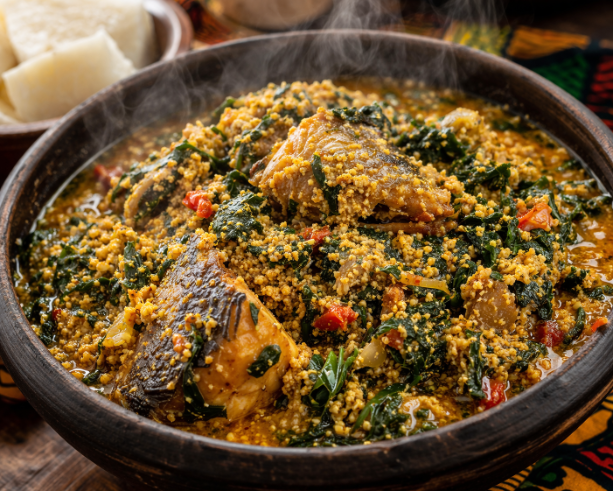
1. Egusi Soup (The Lighter Version)
Egusi is a national treasure, but the traditional preparation can be quite rich. The key to making it healthy is mindful adjustments:
- Lean Protein: Opt for lean fish (catfish, tilapia), turkey, or chicken breast instead of fatty beef or goat meat. If using beef, choose a very lean cut.
- Reduced Oil: Use just enough palm oil for flavour and colour, or even explore using a healthier oil like olive oil or avocado oil in moderation, though palm oil is traditional.
- Abundant Vegetables: Don't be shy with spinach (efo), ugwu (fluted pumpkin leaves), or bitter leaf. These add fibre, vitamins, and minerals.
- Broth-Based: Ensure there's a good amount of flavourful broth, making it less dense and more soup-like.
Restaurant Tip: Serve with smaller portions of a complex carbohydrate like boiled yam, sweet potato, or even brown rice. Offer it as a "Soup of the Day" to create buzz.
2. Grilled Fish with Plantain and Vegetable Salad
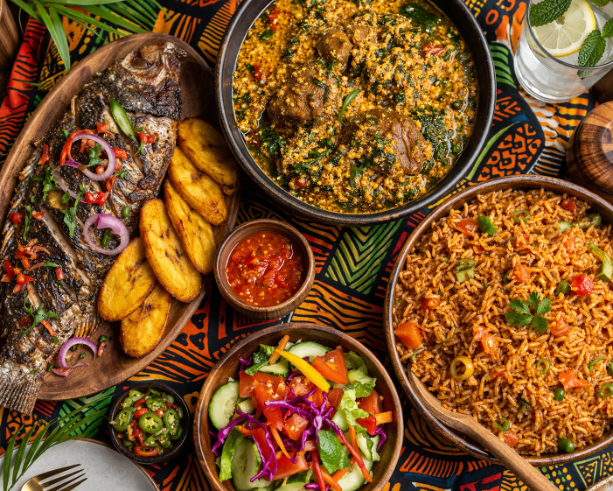
This is a classic for a reason! It’s naturally lean, flavourful, and visually appealing.
- Fish Choice: Tilapia, mackerel, or sea bass are excellent choices. Marinate them with ginger, garlic, onions, chilli, and a touch of lemon juice.
- Grilling/Baking: Avoid frying. Grilling or baking locks in moisture and flavour without excess oil.
- Plantain: Offer baked or air-fried plantain instead of deep-fried. This significantly reduces the fat content while retaining the sweetness.
- Vibrant Salad: Accompany with a generous side of mixed greens, tomatoes, cucumber, bell peppers, and a light vinaigrette or a simple squeeze of lime. You can even add some shredded carrots and cabbage for extra crunch.
Restaurant Tip: Present this dish beautifully. A colourful salad makes the plate pop. You could also offer a "build-your-own" bowl option where customers choose their fish, cooking method, and sides.
3. Ofada Rice Stew with Vegetables (Obe Ata)
Ofada rice has a unique, earthy flavour that’s incredibly satisfying. The stew can be made healthy by focusing on lean meats and plenty of veggies.
- Lean Protein Base: Use chicken breast, turkey, or lean beef.
- Rich Vegetable Blend: Incorporate tomatoes, bell peppers (tatashe), onions, and scotch bonnet peppers (ata rodo) for heat.
- Controlled Oil: Like egusi, use palm oil sparingly. Some chefs are experimenting with a blend of palm oil and a healthier oil, or just a touch of palm oil for authenticity.
- Added Greens: Stir in spinach or ugwu towards the end of cooking for an extra nutritional boost.
Restaurant Tip: Serve Ofada rice with a smaller portion of stew, emphasizing the natural flavour of the rice and the abundance of vegetables in the stew itself. Highlight the unique flavour profile of Ofada rice on your menu description.
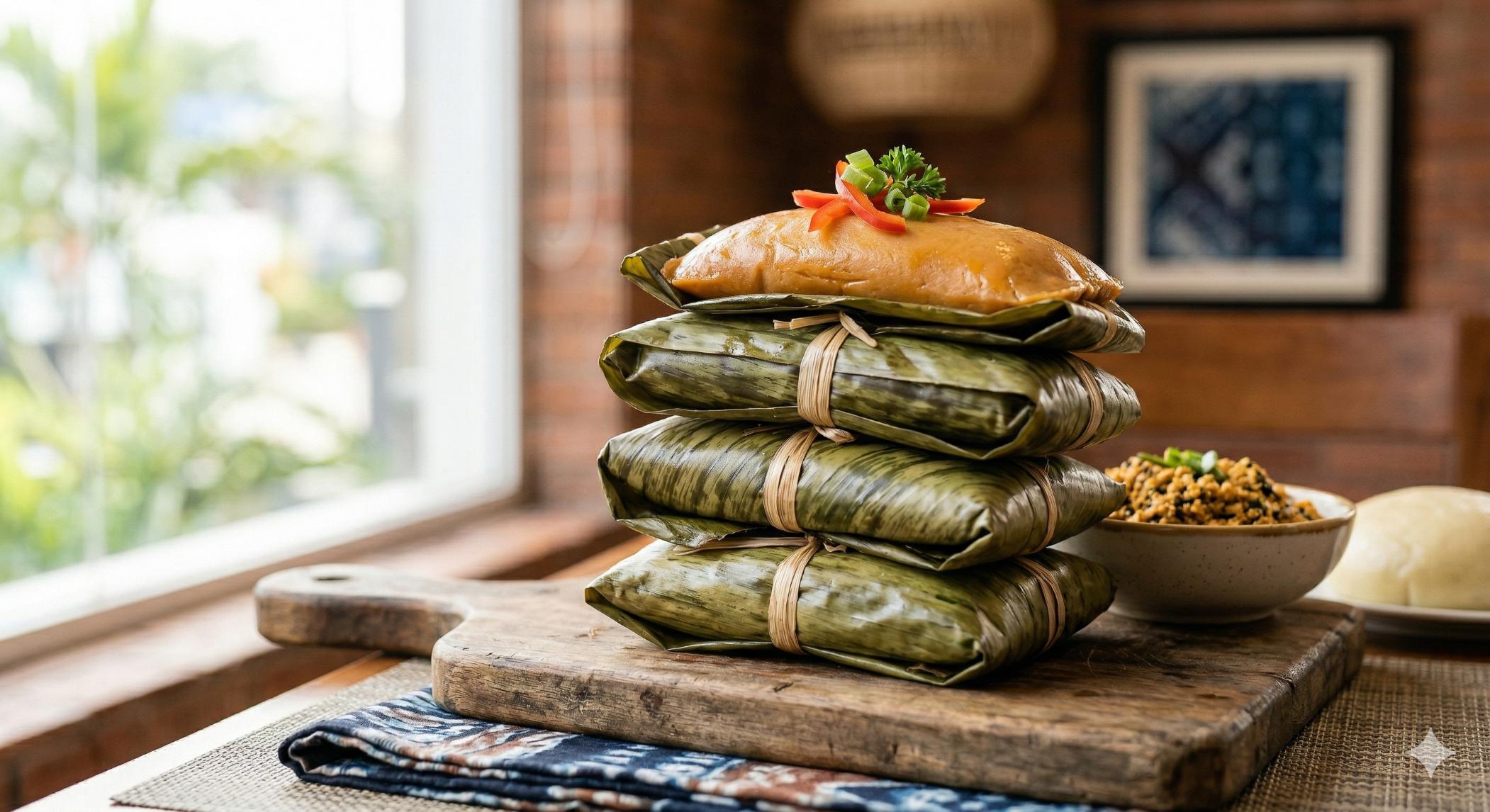
4. Moi Moi (Steamed Bean Pudding)
Moi moi is a protein powerhouse! Traditionally steamed, it’s already a winner. The key is in the additions.
- Bean Base: Use peeled black-eyed peas or brown beans.
- Lean Add-ins: Instead of fatty mackerel or beef, opt for small pieces of lean chicken, turkey, or even shrimp.
- Controlled Oil: Use a minimal amount of vegetable or palm oil.
- Vegetable Boost: Finely chopped onions and bell peppers can be incorporated into the batter.
Restaurant Tip: Offer moi moi as a starter, a side dish, or even as part of a "Taster Platter" with other healthy Nigerian small chops. Its versatility is its strength.
5. Afang Soup/Edikang Ikong with Lean Protein
These vegetable-rich soups from the South-South and South-East are naturally packed with nutrients. The trick is making them lean.
- Vegetable Focus: These soups are already dominated by ugwu and waterleaf (for Edikang Ikong) or Afang leaves. Maximize the greens!
- Lean Meats/Fish: Use lean fish, turkey, or chicken. Avoid excessive fatty meats.
- Minimal Oil: Use just enough palm oil to enhance the flavour and colour.
- Broth Consistency: Aim for a rich, flavourful broth rather than an oily one.
Restaurant Tip: Serve these soups with a smaller portion of fufu, semovita, or even a side of quinoa for a healthier carbohydrate option. Emphasize the "superfood" status of the vegetables.
Making Healthy Irresistible: Presentation & Marketing
It’s not enough to just have healthy options; you need to make them shine!
Menu Descriptions Matter
Use evocative language. Instead of "Fish," try "Succulent Grilled Catfish marinated in ginger, garlic, and lime, served with baked plantain and a vibrant mixed greens salad." Highlight the freshness, the cooking method (grilled, baked, steamed), and the nutritional benefits (lean protein, fibre-rich vegetables).
Visual Appeal is Key
Customers eat with their eyes first!
- Garnish: Fresh herbs like parsley or cilantro, a sprinkle of chilli flakes, or a wedge of lime can transform a dish.
- Colour: Use a variety of colourful vegetables. A plate that’s bursting with colour is naturally appealing and signals freshness.
- Plating: Arrange components thoughtfully. Don't just dump everything on the plate.
I once worked with a restaurant that was struggling with slow lunch service. We revamped their menu descriptions, added fresh garnishes, and took better photos for their social media. Within weeks, their lunch traffic increased by 30%. People are drawn to beautiful, well-described food.
Educate Your Staff
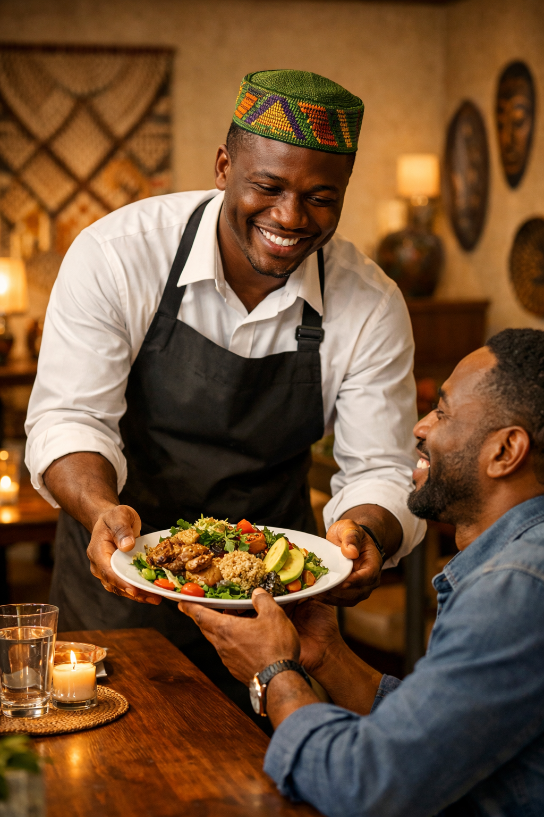
Ensure your servers can confidently explain the healthy options, their ingredients, and their benefits. They are your front-line sales team!
What I Learned the Hard Way About Healthy Menus
When I first started advising restaurants on healthier options, I made the mistake of suggesting things that were too far removed from Nigerian staples. Think quinoa salads with no Nigerian twist, it felt alien. The real success comes from taking beloved traditional dishes and making them healthier, not replacing them entirely. It’s about evolution, not revolution. Authenticity and familiarity, with a healthy upgrade, is the winning formula. Also, don't compromise on flavour! Health-conscious doesn't mean bland. Use spices, herbs, and traditional flavour bases generously.
Common Mistakes to Avoid
- Assuming healthy means boring: Never sacrifice flavour for health. Nigerian cuisine is naturally flavourful; enhance, don't suppress.
- Over-reliance on oil: Even healthy oils should be used in moderation. Let the natural ingredients shine.
- Poor presentation: A dull-looking dish will deter customers, no matter how healthy it is.
- Lack of clarity on the menu: Confusing descriptions or a lack of emphasis on healthy options means missed opportunities.
- Ignoring customer feedback: Pay attention to what your customers say about your healthy dishes. Are they asking for more? Are they commenting on the taste?
My Best Tip for Busy Evenings
For busy restaurant nights, focus on healthy dishes that can be prepped in advance. Grilled fish can be marinated, vegetables for stews can be chopped, and moi moi batter can be made ahead. This allows for quick assembly and cooking during peak hours, ensuring you can serve both healthy and traditional options efficiently. Streamlining prep is crucial for profitability and customer satisfaction.
How This Changed Our Restaurant’s Repeat Rate
When we (a restaurant I consulted for in Abuja) strategically added 3-4 well-executed healthy Nigerian options to our menu, we saw a significant shift. Customers who were previously hesitant to dine with us because they perceived us as "heavy" started coming in. More importantly, our existing loyal customers appreciated having lighter, yet equally flavourful, choices. This led to increased visit frequency and a higher overall repeat customer rate. People felt they could enjoy our delicious food more often without feeling overly full or guilty.
The demand for healthy african food menu is not a fleeting trend; it's a fundamental shift in how people approach dining. By incorporating these delicious, nourishing Nigerian dishes, you're not just updating your menu; you're future-proofing your business and delighting your customers in a whole new way.
So, are you ready to bring the vibrant, wholesome flavours of Nigeria to the forefront of your restaurant? Your customers and your bottom line will thank you!
What are your favourite healthy Nigerian dishes? Share your thoughts and any tips you have for making them restaurant-ready in the comments below!