

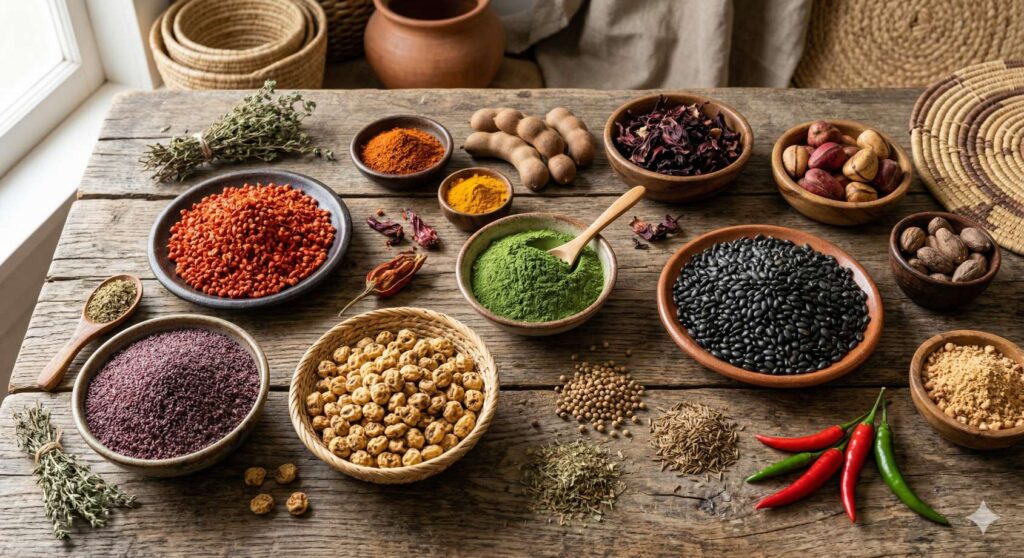
As a food writer and avid home cook deeply rooted in the rich tapestry of African flavours, I’ve witnessed firsthand how our culinary landscape is constantly evolving. It’s a dynamic space, blending ancient traditions with a fresh, global perspective. While classics like jollof rice and suya will always hold a special place, what truly excites me are the trending African ingredients that are not just appearing on menus but actively revolutionizing them. These are the ingredients that offer unique textures, complex flavours, and incredible nutritional benefits, pushing the boundaries of what we consider modern African cuisine.
In our test kitchen at Brandmeals, we’ve been experimenting with these exciting newcomers, and the results have been nothing short of spectacular. From sophisticated restaurant dishes to simple, flavour-packed home meals, these ingredients are proving their versatility and undeniable appeal. They represent a vibrant future for African food, one that is both proud of its heritage and boldly innovative. Let’s dive into five ingredients that are making waves and why you should be incorporating them into your cooking.
1. Grains of Paradise (Alligator Pepper)
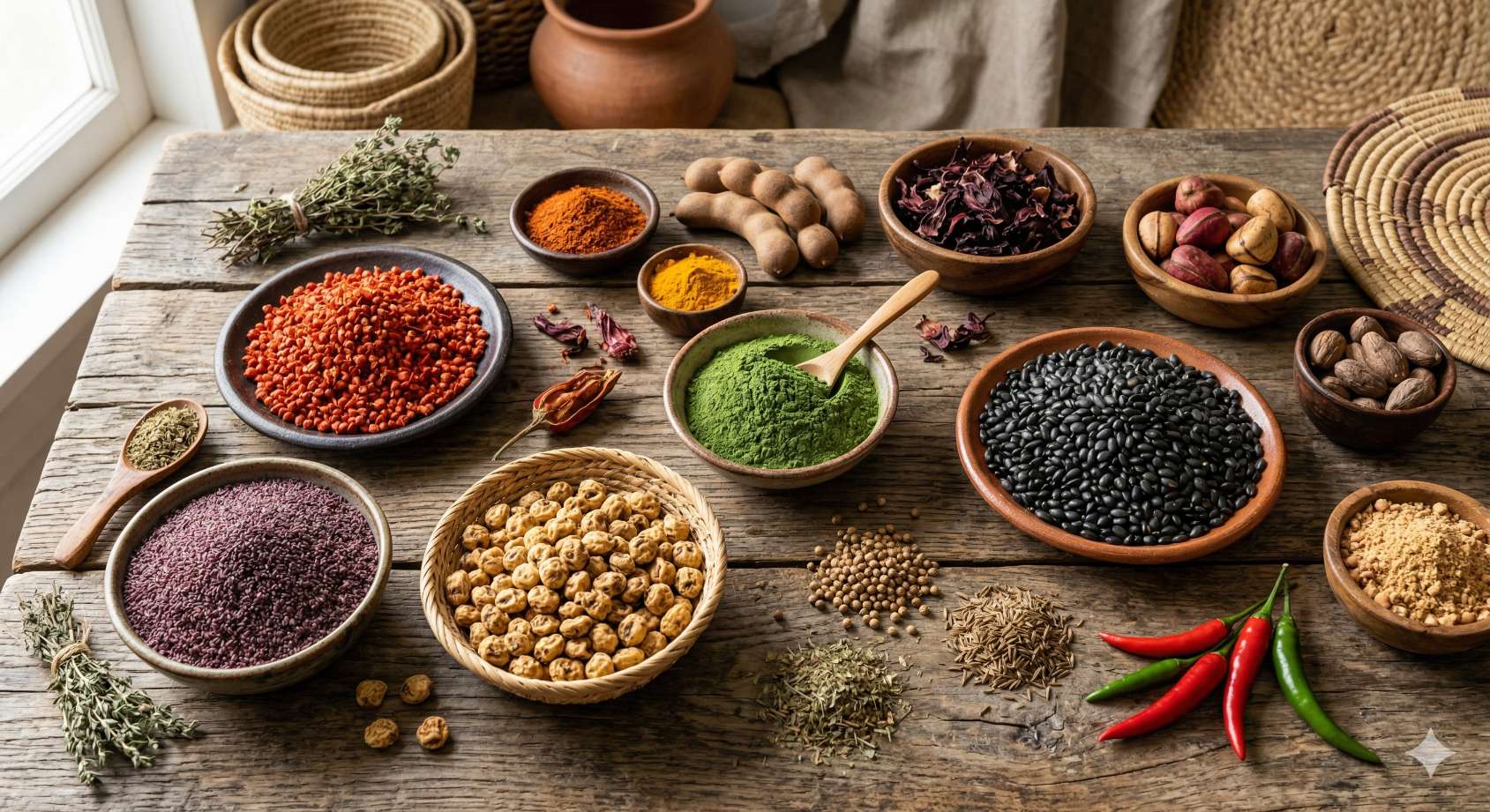
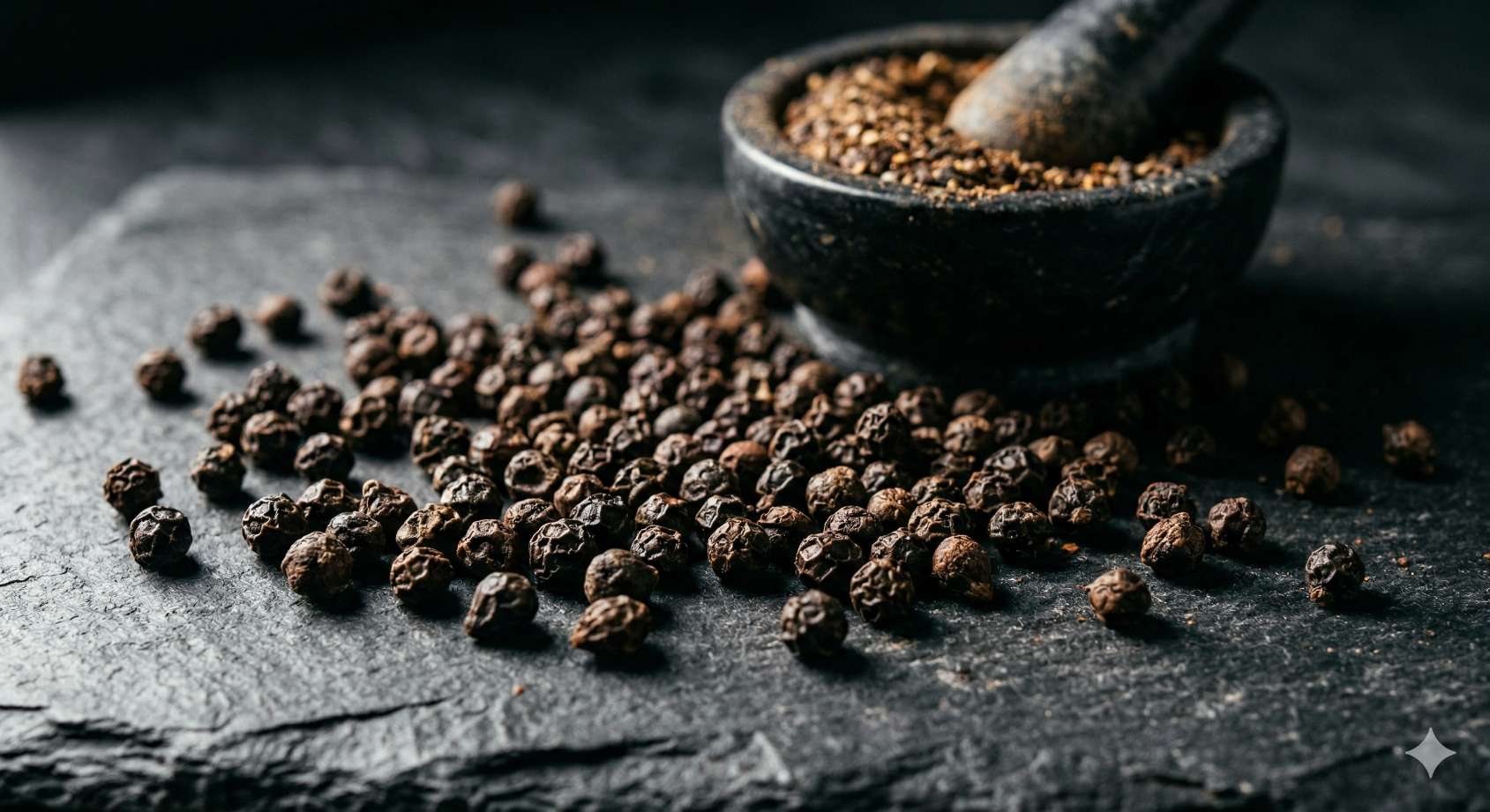
Often referred to as 'Grains of Paradise' or 'Alligator Pepper' (Aframomum melegueta), this spice is a true gem from West Africa. It’s been a staple in traditional medicine and cooking for centuries, but it's experiencing a significant resurgence. Its flavour profile is complex and captivating: a peppery heat that’s sharper and more aromatic than black pepper, with distinct citrusy and cardamom-like undertones. It’s not just a heat source; it’s a flavour enhancer that adds layers of intrigue to dishes.
In traditional Nigerian cuisine, Grains of Paradise are often used whole in stews and soups, lending a subtle warmth and aroma. However, modern chefs are grinding them into fine powders to season grilled meats, fish, and even incorporate into marinades. We’ve found that a light toasting before grinding really unlocks its aromatic potential. Try adding a pinch of freshly ground grains of paradise to your next batch of grilled fish or chicken; it imparts a sophisticated warmth that elevates the entire dish. It’s also fantastic in spice rubs for slow-cooked meats, offering a more nuanced heat than standard pepper.
Why it’s trending:
- Unique Flavour Profile: Offers a complex peppery heat with citrus and cardamom notes, unlike any other spice.
- Versatility: Works well in both savoury and even some sweet applications (think spiced cookies or infused syrups).
- Health Benefits: Traditionally used for digestive health and as an anti-inflammatory.
When using Grains of Paradise, remember they pack a punch. Start with a small amount, especially if you’re grinding them yourself, and adjust to your taste. We discovered that the flavour intensifies with cooking, so factor that in when seasoning. For a truly authentic experience, try it in a traditional West African pepper soup – it adds an unparalleled depth of flavour.
📸 Image needed: Close-up, macro shot of dark, wrinkled Grains of Paradise scattered on a textured, dark slate surface. A small mortar and pestle is visible in the background, with a hint of ground spice. Dramatic, directional lighting emphasizes the texture and rich colour of the peppercorns.
2. Fonfio (Fonio)
Pronounced 'fon-yo', fonio is an ancient grain that has been cultivated in West Africa for thousands of years. It’s a tiny, gluten-free grain that cooks quickly and has a wonderfully light, slightly nutty flavour. Its recent rise in popularity is due to its incredible nutritional profile and its sustainability. Fonio is drought-resistant and can grow on marginal land, making it an ideal crop for many African regions facing climate challenges. This makes it a champion of sustainable African farming practices.
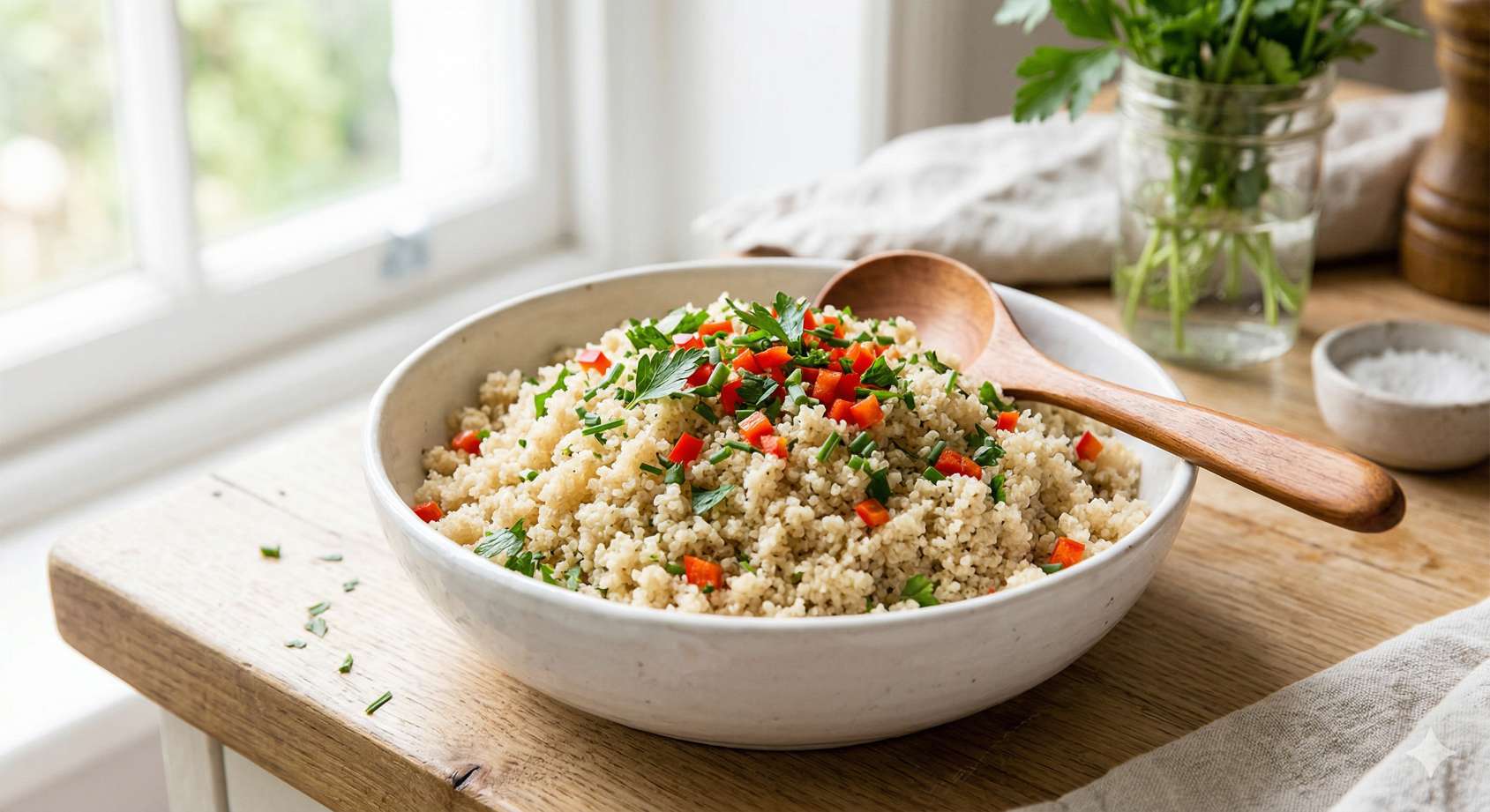
In our kitchen, we’ve found fonio to be incredibly adaptable. It can be prepared much like rice or couscous. For a quick and healthy lunch, we often cook it in vegetable broth and then toss it with sautéed vegetables, herbs, and a squeeze of lemon. It also makes a fantastic base for grain bowls, much like quinoa or millet. A particularly delightful application we explored was using it in a savoury breakfast porridge, akin to oatmeal but with a lighter texture. Adding a touch of honey, some chopped nuts, and a sprinkle of cinnamon creates a wholesome start to the day.
What makes Fonio special:
- Nutritional Powerhouse: Rich in protein, fibre, and essential amino acids.
- Gluten-Free: A fantastic alternative for those with gluten sensitivities.
- Sustainability: Requires minimal water and can thrive in arid conditions.
One key tip we learned is not to overcook fonio. It cooks very quickly, usually in about 5-7 minutes. Overcooking can make it mushy. We recommend rinsing it thoroughly before cooking and using a 1:2 ratio of fonio to liquid (broth or water). For a delightful twist, try toasting the fonio in a dry pan for a minute or two before adding liquid; this enhances its nutty flavour beautifully.
3. Moringa
Often dubbed the 'miracle tree', moringa has been used for centuries in traditional African and Asian medicine and cuisine. Its leaves, when dried and powdered, create a vibrant green superfood packed with nutrients. Moringa powder has a unique flavour profile – slightly earthy, with hints of spinach and horseradish. It’s a nutritional powerhouse, boasting more Vitamin C than oranges, more Vitamin A than carrots, and significant amounts of calcium, iron, and protein.
The versatility of moringa powder is astounding. We’ve incorporated it into smoothies for an extra nutritional boost, adding a subtle green hue and earthy depth. It’s also a fantastic addition to baked goods; a tablespoon or two in muffins or bread recipes can add both nutrients and a unique flavour. For a truly African twist, try adding it to your favourite Nigerian smoothie or even whisking it into sauces and dressings. We found it pairs exceptionally well with citrus flavours, which help to balance its earthiness.
Why Moringa is a must-try:
- Nutrient Density: Exceptionally high in vitamins, minerals, and antioxidants.
- Mildly Earthy Flavour: Adds depth without overpowering other ingredients.
- Adaptable: Easily incorporated into various dishes, from drinks to baked goods.
A word of caution: while moringa is incredibly healthy, start with small amounts (½ to 1 teaspoon) to get accustomed to its flavour. Too much can sometimes lead to a slightly bitter taste. Ensure you are sourcing high-quality, food-grade moringa powder for the best flavour and benefits. We love adding it to our morning "power bowls" – a mix of yogurt, fruit, and granola, with a sprinkle of moringa for that extra zing.
📸 Image needed: A vibrant green moringa powder is being sprinkled from a small wooden spoon into a blender containing a colourful fruit smoothie. The background is a clean, modern kitchen counter with fresh fruits like mango and pineapple. Bright, natural light.
4. Tiger Nuts (Aki Hausa)
Don't let the name fool you; tiger nuts are not nuts at all! They are small, tuberous roots of the Cyperus esculentus plant, native to Africa. In Nigeria, they are fondly known as 'Aki Hausa' and have a long history of use, most famously in the refreshing drink 'Kunu Aya'. Tiger nuts have a naturally sweet, slightly chewy texture and a flavour reminiscent of coconut and almonds. They are a fantastic source of resistant starch, beneficial for gut health.
While the traditional Kunu Aya is a must-try, the culinary applications for tiger nuts extend far beyond this beloved beverage. We’ve experimented with soaking them and blending them into dairy-free milk, which is a delicious and healthy alternative. This tiger nut milk can then be used in smoothies, cereals, or even baked goods. Another exciting use is dehydrating them and grinding them into a flour. This tiger nut flour can be used in gluten-free baking, adding a subtle sweetness and a lovely texture to cakes and cookies. We’ve also found that roasted tiger nuts make a fantastic, healthy snack, offering a satisfying crunch.
The appeal of Tiger Nuts:
- Natural Sweetness: A pleasant, mild sweetness that complements many flavours.
- Gut Health Benefits: High in resistant starch, promoting a healthy digestive system.
- Versatile Uses: From drinks and snacks to gluten-free flours.
When preparing tiger nuts, soaking is often key, especially if you’re aiming for a milk-like consistency or a softer texture. Soaking them overnight in water usually does the trick. If you find them too chewy for your liking in snacks, a quick boil after soaking can soften them further. For those interested in the traditional Kunu Aya, ensure you use good quality, plump tiger nuts for the best flavour and texture. It’s a taste of authentic Nigerian refreshment!
5. Egusi (Melon Seeds)
Egusi seeds, often referred to as melon seeds, are a cornerstone of West African cuisine, particularly in Nigeria. While not entirely 'new', their *trending* status comes from their innovative applications beyond the traditional soup. Egusi seeds are rich in protein and healthy fats, offering a unique, slightly bitter, and nutty flavour when ground.
Traditionally, egusi seeds are ground and used to thicken and flavour soups and stews. However, chefs are now exploring their potential in more contemporary dishes. We've seen them used as a crunchy topping for salads and grilled vegetables, much like toasted seeds. Ground egusi can also be incorporated into burger patties or veggie burgers for added protein and a unique texture. A particularly exciting development is using egusi paste as a base for dips and spreads, offering a savoury, umami-rich alternative to hummus. In our exploration, we discovered that lightly toasting the seeds before grinding significantly enhances their nutty flavour and reduces any potential bitterness. This simple step can transform your Nigerian soups and stews.
Why Egusi is gaining new ground:
- Nutrient-Rich: Excellent source of protein, healthy fats, and essential minerals.
- Distinctive Flavour: Offers a unique nutty and slightly bitter taste.
- Culinary Adaptability: Moving beyond soups into modern snacks, dips, and baked goods.
The key to using egusi effectively, especially in new applications, is proper preparation. Ensure the seeds are thoroughly dried. Grinding them to the desired consistency – fine for thickening, coarser for texture – is crucial. If using for a dip or spread, consider blending them with complementary flavours like garlic, lemon, and herbs to balance the inherent bitterness. For a delightful snack, try roasting egusi seeds with a little salt and chili powder; they become wonderfully crunchy and moreish.
📸 Image needed: A modern appetizer presentation. A small ceramic dish filled with a creamy, light brown egusi dip, garnished with fresh cilantro and a drizzle of olive oil. Whole, toasted egusi seeds are sprinkled on top. Clean, well-lit studio shot.
Common Mistakes to Avoid When Cooking with Trending African Ingredients
While embracing new flavours is exciting, a few common pitfalls can hinder your success:
- Over-reliance on Tradition: Don't be afraid to experiment beyond traditional uses. These ingredients are versatile!
- Incorrect Preparation: Forgetting to rinse grains like fonio, or not soaking tiger nuts properly, can affect texture and taste.
- Ignoring Seasoning: While ingredients like Grains of Paradise offer spice, they still need to be balanced with other flavours.
- Using Poor Quality Ingredients: Sourcing fresh, high-quality ingredients is paramount for the best flavour and nutritional benefits.
- Quantity Misjudgment: Potent ingredients like Grains of Paradise and Moringa should be used sparingly at first until you understand their intensity.
The Future of African Flavours
These five ingredients are just a glimpse into the exciting evolution of African cuisine. They represent a movement towards celebrating indigenous foods, recognizing their nutritional and environmental benefits, and showcasing their incredible culinary potential on a global stage. As home cooks and professional chefs alike continue to explore these vibrant flavours, we can expect even more innovative and delicious dishes to emerge. Embracing these trending African ingredients isn't just about trying something new; it's about connecting with a rich culinary heritage and participating in its dynamic future.
What are your favourite trending African ingredients? Share your thoughts and creations in the comments below!