

Restaurant SEO 2026 - Dominate Google Maps & Search
Hey there, fellow restaurant pros! It’s your friend from Brandmeals, back with some insights straight from the trenches. I’ve spent the last 8 years elbow-deep in restaurant operations, from bustling bistros in Brooklyn to charming cafés in Paris. And let me tell you, the one thing that keeps me up at night – and what I see keeping many of you up at night – is how to consistently get more bums in seats and more orders on the digital docket. In 2026, with competition fiercer than ever, especially in major hubs like New York, London, and Los Angeles, standing out online isn't just an advantage; it's survival.
I still remember a conversation with Maria, the owner of a beloved Italian spot in Chicago. She had incredible food, a loyal local following, but her online presence felt… well, invisible. When people searched for "Italian restaurant near me," her listing was buried. She was losing out on walk-ins, new customers, and crucial online orders to competitors who, frankly, didn't have her culinary magic. We dove deep into her restaurant SEO 2026 strategy, focusing on what truly matters in today's search landscape. The results? Within months, she saw a 40% increase in direct online orders and a significant uptick in reservations, especially from people discovering her for the first time via Google Maps. This isn't magic; it's smart, strategic restaurant SEO 2026.
So, if you're in the US or Europe, wondering how to cut through the noise and ensure your restaurant is the one people find when they're hungry, you’re in the right place. We’re going to break down exactly what restaurant SEO 2026 looks like, with actionable steps you can implement right away to climb those Google rankings, drive more traffic (both online and offline), and ultimately, grow your business
Why Restaurant SEO 2026 is Your Most Important Marketing Investment
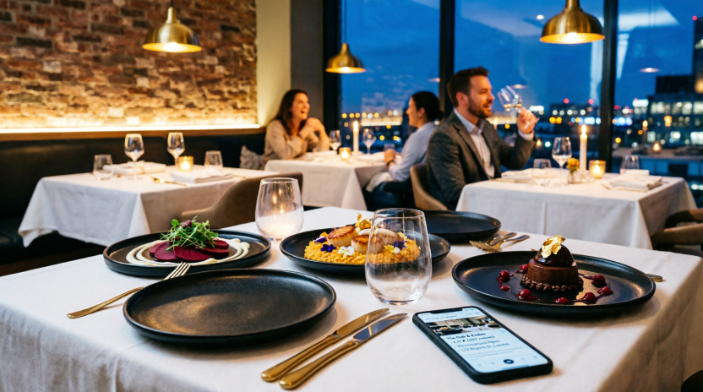
Let's be real: people don't flip through phone books anymore. When someone craves a burger, a vegan feast, or a romantic dinner, their fingers immediately go to their phone, and they type into Google. This is where restaurant SEO 2026 comes into play. It's about making sure your restaurant is not just present online, but prominent where potential customers are looking.
Think about it: when you're in a new city, say Berlin or Paris, and you're hungry, what do you do? You pull out your phone, open Google Maps, and search for "best brunch near me" or "French restaurant." Google then shows you a list, often with a map interface, highlighting local businesses. That's Local SEO in action. For restaurants, this means optimizing your presence on Google Search and Google Maps is paramount. In 2026, this is more critical than ever, as Google continues to integrate search, maps, and business information seamlessly.
The goal of restaurant SEO 2026 isn't just to appear in search results; it's to appear in the right search results, for the right people, at the right time. This translates directly to:
- More Discoverability: New customers finding you when they're actively looking for what you offer.
- Increased Foot Traffic: People seeing your prime placement and deciding to visit.
- Higher Online Orders: Customers clicking through to your website or ordering platform directly from search results.
- More Reservations: Filling your tables with customers who found you easily online.
- Stronger Brand Authority: Ranking high signals to customers that you're a reputable and popular choice.
When I worked with a trendy café in Los Angeles, their Google Business Profile was outdated, and their website was slow to load. They were missing out on a huge chunk of the daytime lunch crowd who relied heavily on quick mobile searches. By implementing a robust restaurant SEO 2026 strategy, we boosted their local visibility, and they saw a 35% increase in lunchtime online orders within three months. That's tangible growth driven by smart SEO.
The Cornerstone: Optimizing Your Google Business Profile (GBP) in 2026
If there's one thing you absolutely must get right for restaurant SEO 2026, it's your Google Business Profile. Think of it as your digital storefront on Google. It’s the first impression many potential customers will have, and it directly impacts your visibility in local search results and on Google Maps. In 2026, Google is constantly refining its algorithms, but the core principles of a well-optimized GBP remain the same – with a few modern twists.
Key GBP Optimization Tactics for 2026:
1. Complete and Accurate Information: This is non-negotiable. Ensure your name, address, phone number (NAP), website link, and business hours are 100% accurate and consistent everywhere online. Inconsistent NAP data is a major red flag for Google.
2. Compelling Business Description: This is your elevator pitch! Use relevant keywords naturally. Instead of just "Italian restaurant," try "Authentic Neapolitan pizza and handmade pasta in the heart of Brooklyn." Highlight your unique selling propositions (USPs) – is it farm-to-table ingredients? A killer happy hour? Family-friendly atmosphere? Mention it!
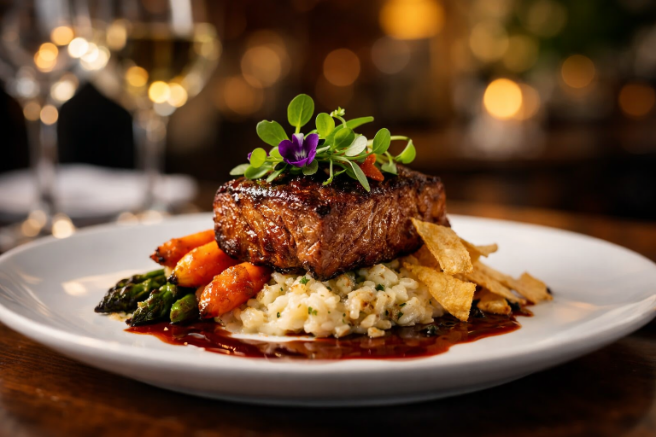
3. High-Quality Photos & Videos: This is HUGE for restaurants. Upload professional, mouth-watering photos of your food, your interior, your staff, and even happy customers (with permission, of course!). Google prioritizes listings with rich media. Videos, even short ones showcasing your ambiance or a signature dish being prepared, can significantly increase engagement.
4. Leverage Categories & Attributes: Choose the most relevant primary category (e.g., "Italian Restaurant," "Café," "Burger Joint"). Then, use secondary categories and attributes to detail your offerings (e.g., "Outdoor Seating," "Vegetarian Options," "Delivery," "Wi-Fi," "Good for Groups"). These help Google understand your business and match you with specific searches.
5. Encourage and Respond to Reviews: Reviews are a massive ranking factor and crucial for building trust. Actively ask satisfied customers to leave a review. More importantly, respond to every review, positive or negative. Acknowledge praise, and address criticism professionally and constructively. This shows Google and potential customers that you care.
Pro Tip from the Field: For a client in London, we implemented a simple QR code system at each table that linked directly to their GBP review section. Within a month, their review volume doubled, and their average star rating improved, leading to a noticeable jump in their local map rankings.
6. Utilize Google Posts: These are like mini-social media updates directly on your GBP. Share specials, upcoming events, new menu items, or even just a "We're open!" message. Posts have a limited lifespan, so keep them fresh and relevant. They are a fantastic way to keep your listing dynamic.
7. Q&A Section: Monitor and answer questions submitted by users. You can also proactively add your own FAQs here to preempt common inquiries.
Mistakes I've Seen Cost Owners Thousands: Ignoring reviews is one of the biggest. A negative review left unanswered looks like you don't care. Conversely, a thoughtful, professional response can turn a detractor into a loyal customer and shows Google you're an engaged business owner.
Beyond GBP: Building a Robust Website for Restaurant SEO 2026
While GBP is king for local discovery, your website is your digital home base. It's where you control the narrative, showcase your brand, and, most importantly, facilitate direct online orders and reservations. A slow, poorly designed website is a conversion killer.
Website Essentials for 2026 Restaurant SEO:
1. Mobile-First Design: Most restaurant searches happen on mobile. Your website must be responsive and load lightning-fast on smartphones. Test it rigorously!
2. Clear NAP and Hours: Just like on GBP, your NAP and hours must be prominently displayed and accurate on your website.
3. Online Ordering & Reservation Integration: This is critical for direct revenue. Integrate with a reliable online ordering system (whether it’s your own branded platform or a trusted third-party) and a reservation system. Make these buttons highly visible on every page.
4. High-Quality Visuals: Again, stunning photos and videos are essential. They sell the experience and the food.
5. Menu Optimization: Your menu should be easy to read, up-to-date, and ideally, keyword-rich. For example, instead of just "Pasta," use "Handmade Fettuccine Alfredo with Creamy Parmesan Sauce." Consider adding brief, enticing descriptions that highlight ingredients or preparation methods. This is also a prime opportunity for SEO. When people search for "vegan pasta delivery New York," having "Vegan Lentil Bolognese" on your online menu helps you rank.
6. Local SEO Keywords: Sprinkle relevant keywords throughout your website content. Think about terms people would use to find you: "best brunch downtown Chicago," "seafood restaurant near Union Square," "takeaway pizza Shoreditch."
7. Website Speed: Use tools like Google PageSpeed Insights to identify and fix issues that slow down your site. A slow site frustrates users and hurts your Google rankings.
8. Schema Markup: This is a more technical aspect, but crucial. Schema markup (specifically for LocalBusiness and Restaurant types) helps search engines understand the content on your pages better, providing richer search results (like star ratings directly in search).

Content is King (Still!): Blogging & Local Citations
To truly excel in restaurant SEO 2026, you need to go beyond just optimizing your core listings. Content creation and local citation building play vital roles.
Blogging for Restaurants:
A blog on your website can be a goldmine for SEO and customer engagement. Think about topics like:
- "Our Top 5 Seasonal Dishes for Fall in Paris"
- "Behind the Scenes: Sourcing Local Ingredients for Our LA Brunch Menu"
- "The Perfect Wine Pairings for Our New York Steakhouse Classics"
- "A Guide to Vegan Dining in Berlin" (if you offer vegan options)
This content not only provides value to your audience but also allows you to naturally incorporate relevant keywords and attract organic traffic from people searching for these topics. I’ve seen restaurants increase their website traffic by over 50% through a consistent, quality blog strategy.
Local Citations:
A citation is any online mention of your restaurant's name, address, and phone number (NAP). This includes directories like Yelp, TripAdvisor, Foursquare, and industry-specific sites. Ensure your NAP information is consistent across all these platforms. Inconsistent citations confuse search engines and can harm your rankings.
Leveraging Reviews for Trust and Ranking
I can't stress this enough: online reviews are a cornerstone of restaurant SEO 2026. They influence both your search engine rankings and, more importantly, your customers' decisions.
Strategies for Review Management:
1. Proactive Review Generation: As mentioned, create easy ways for happy customers to leave reviews. Train your staff to subtly encourage it during the dining experience.
2. Prompt and Professional Responses: Aim to respond to all reviews within 24-48 hours. For positive reviews, thank them and perhaps mention what they enjoyed. For negative reviews, empathize, apologize for their experience, and offer to resolve the issue offline. This demonstrates excellent customer service and shows Google you're actively managing your reputation.
3. Monitor Review Platforms: Keep an eye on Google, Yelp, TripAdvisor, and any other relevant platforms. Set up alerts if possible.
4. Analyze Feedback: Reviews are a treasure trove of insights. What are people consistently praising? What are the common complaints? Use this feedback to improve your operations, menu, or service.
Pro Tip from the Field: When a reviewer on TripAdvisor for a Parisian bistro praised their specific dessert, we highlighted that dessert in a Google Post and updated the menu description to be even more enticing. This led to a surge in orders for that particular item!
What I Learned Consulting 20+ Restaurants in the US and Europe
Across New York, London, Paris, Chicago, and beyond, I've seen firsthand what works and what doesn't. The biggest takeaway? Restaurant SEO 2026 is not a one-time task; it's an ongoing process. It requires consistent effort and adaptation.
Key Learnings:
- Consistency is Crucial: NAP, branding, and messaging must be consistent everywhere.
- User Experience Trumps All: Google rewards businesses that provide a great experience for searchers. Fast websites, easy navigation, and helpful information are key.
- Reviews are Gold: They build trust, drive conversions, and impact rankings. Don't ignore them.
- Local Focus is Paramount: For most restaurants, local SEO is where the biggest wins are found.
- Embrace Visuals: High-quality photos and videos are non-negotiable for food businesses.
- Adapt to AI Search: As AI-powered search (like Google's SGE) becomes more prevalent, providing clear, structured, and authoritative information on your GBP and website will become even more critical for appearing in AI-generated answers.
Common Local SEO Mistakes Restaurants Make in 2026
I see these pitfalls time and again, and they're costing restaurant owners valuable customers:
- Incomplete or Outdated GBP: Missing hours, incorrect address, no photos – a recipe for being overlooked.
- Ignoring Reviews: Leaving negative reviews unanswered or not engaging with positive feedback.
- Inconsistent NAP Information: Different addresses or phone numbers across various online directories.
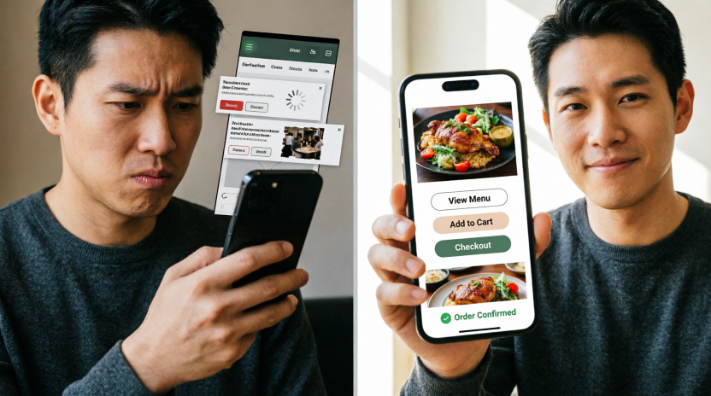
- Poor Website Experience: Slow loading times, not mobile-friendly, difficult navigation, or hard-to-find menu/ordering.
- Lack of Local Keywords: Not optimizing content for terms local customers actually search for.
- Not Tracking Performance: Failing to monitor Google Analytics, GBP Insights, or online order data to see what's working.
When I helped a small bistro in Brooklyn with their local SEO, their biggest mistake was having their old phone number listed on a few key directories. People were calling a disconnected line and giving up. Fixing those citations and optimizing their GBP led to a 25% increase in phone inquiries for reservations within two weeks!
Conclusion: Your Path to Visibility in 2026
Mastering restaurant SEO 2026 is about more than just climbing search rankings; it’s about building a robust digital presence that attracts new customers, delights existing ones, and drives profitable growth. From perfecting your Google Business Profile and ensuring your website is a conversion machine, to actively managing your online reputation and creating valuable content, every step matters.
The landscape of search is always evolving, especially with the rise of AI. But the core principle remains: make it easy for people to find, trust, and choose your restaurant. By focusing on these fundamental restaurant SEO 2026 strategies, you'll be well on your way to dominating local search results, filling your tables, and boosting those all-important online orders.
Ready to transform your restaurant's online visibility and attract more customers in 2026? At Brandmeals, we specialize in helping independent restaurants and hospitality brands like yours thrive. Whether it's a complete website redesign, expert Google Business Profile optimization, or a comprehensive local SEO strategy, we’ve got the experience and the tools to help you succeed. Let's chat about how we can elevate your brand and your revenue!