

Google Business Profile for Restaurants: Your 2026 Growth Engine
Hey there, fellow restaurateurs! It’s your go-to hospitality strategist here, ready to chat about something that’s absolutely critical for your success in 2026: your Google Business Profile. Seriously, if you’re not treating your GBP like the digital storefront it is, you’re leaving money on the table. I’ve seen it firsthand, from a cozy bistro in Brooklyn struggling to get noticed to a bustling trattoria in Rome needing to attract more tourists. Optimizing this free tool can be the difference between a quiet Tuesday night and a fully booked service.
In the fast-paced world of dining, especially with the evolving search landscape in 2026 and beyond, standing out online is paramount. Customers aren't just flipping through phone books anymore; they're tapping their screens, and Google is often their first stop. This guide is packed with real-world insights from my years consulting restaurants across the US and Europe, designed to help you turn your Google Business Profile into a reservation-generating, order-driving machine.
What is Google Business Profile and Why Does It Matter for Restaurants in 2026?
Think of your Google Business Profile (GBP) as your restaurant’s digital business card, billboard, and mini-website all rolled into one, directly within Google Search and Maps. For restaurants, it’s arguably the most important piece of online real estate you own. Why? Because when someone searches for “Italian restaurants near me,” “best brunch spots London,” or “café with outdoor seating Paris,” your GBP is one of the first things they see.
In 2026, with AI-powered search becoming more prevalent and local intent stronger than ever, a well-optimized GBP is non-negotiable. It:
- Increases Visibility: It’s your ticket to appearing in local map packs and organic search results.
- Drives Decisions: It provides crucial info like hours, menus, location, and reviews, helping customers decide where to eat.
- Facilitates Engagement: Customers can call you directly, get directions, visit your website, or even book a table straight from your profile.
- Builds Trust: Accurate information and positive reviews foster credibility and attract new patrons.
I remember working with a client in Chicago who had a fantastic menu but a neglected GBP. After we revamped it, focusing on accurate data and encouraging reviews, their phone calls and website clicks from Google jumped by over 60% in just two months. That’s the power we’re talking about.
The Foundation: Claiming and Verifying Your Profile
This might seem obvious, but you’d be surprised how many restaurant owners either haven’t claimed their profile or have outdated information. The first step is always to claim and verify your listing. If you haven’t, head over to google.com/business and follow the prompts. Verification usually happens via mail (a postcard with a code), but sometimes phone or email options are available. Don’t skip this – it’s the gateway to managing your online presence.
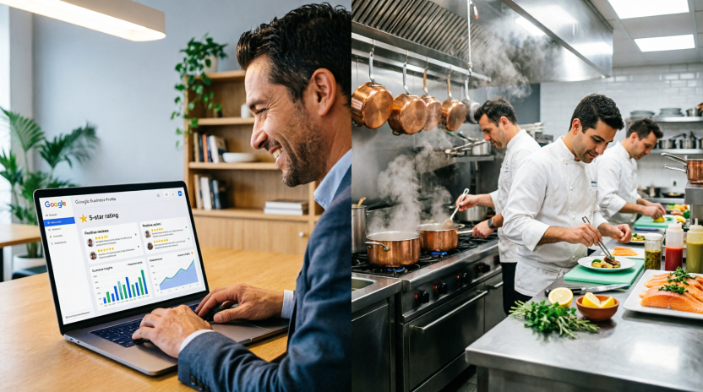
Mastering the Essentials: Optimizing Your GBP for Maximum Impact
Once verified, it’s time to go deep. Here’s how to make your profile shine:
1. Accurate and Complete Business Information
This is the bedrock. Inaccurate information is a quick way to frustrate potential customers and lose their business. I’ve seen owners lose customers because their hours were wrong on Google, especially during holidays. Always ensure:
- Name: Your official business name.
- Address: Precise and correct.
- Phone Number: A direct line customers can use.
- Website: Link to your primary website or your online ordering page.
- Hours of Operation: Keep these meticulously updated, including special holiday hours. This is HUGE for customer satisfaction.
- Categories: Choose the most relevant primary category (e.g., “Italian Restaurant,” “Café,” “Seafood Restaurant”) and add secondary ones (e.g., “Bar,” “Breakfast Restaurant,” “Good for Kids”).
2. Crafting a Compelling Description
This is your elevator pitch. You have 750 characters to tell people why they should choose your restaurant. Use keywords naturally that people might search for. Highlight your unique selling propositions (USPs): your signature dishes, your ambiance, your sourcing, your commitment to local ingredients, your family-friendly atmosphere, or your late-night service. For a client in Paris, we focused their description on “authentic French cuisine, romantic ambiance, and an extensive wine list,” which significantly boosted their profile views from tourists searching for that exact experience.
3. High-Quality Photos and Videos
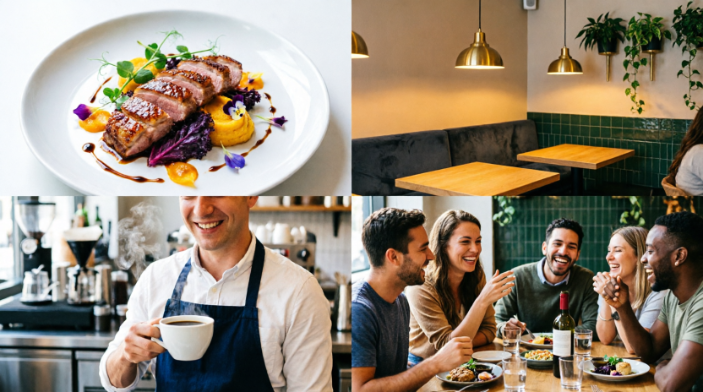
This is where you let your food and atmosphere do the talking. People eat with their eyes first! Upload professional, mouth-watering photos of your dishes, your interior, your exterior, and even your staff in action. Videos are becoming increasingly important too – a short clip of your chef preparing a signature dish or a quick tour of your dining room can be incredibly engaging. Aim for a mix:
- Food: Showcase your best-sellers and visually appealing plates.
- Interior: Give potential diners a feel for your ambiance.
- Exterior: Help customers easily find you.
- Team: A friendly face can make a big difference.
Pro Tip from the Field: Encourage customers to upload their own photos! User-generated content builds social proof and adds a dynamic, authentic feel to your profile.
4. Leveraging the Menu Feature
Google offers a dedicated menu section. Upload your menu directly or provide a link. This makes it incredibly easy for potential diners to see what you offer and your pricing. I’ve seen restaurants increase direct online orders significantly just by making their menu easily accessible and up-to-date on their GBP.
5. Activating Google Posts
Google Posts are like mini social media updates directly on your GBP. Use them to announce specials, upcoming events, new menu items, or even promote your online ordering. Posts expire after 7 days (or longer for event posts), so regular updates are key. This is a fantastic way to keep your profile fresh and engage your audience with timely information. I advised a New York diner to post their daily specials, and it led to a noticeable uptick in lunch orders from nearby office workers who were actively searching on their lunch break.
The Power of Reviews: Managing Your Reputation
Reviews are gold. They are a massive factor in local search rankings and, more importantly, in customer decision-making. In 2026, customers rely heavily on what others are saying.
How to Get More Reviews:
- Ask! Train your staff to politely ask satisfied customers to leave a review.
- QR Codes: Place QR codes on tables or receipts that link directly to your review form.
- Email/SMS: If you collect customer contact info, send a follow-up email or text with a link.
- Incentivize (Carefully): While you can’t offer payment for reviews, you can run contests or loyalty programs that encourage participation. Check Google’s guidelines!
Responding to Reviews: The Art of Engagement
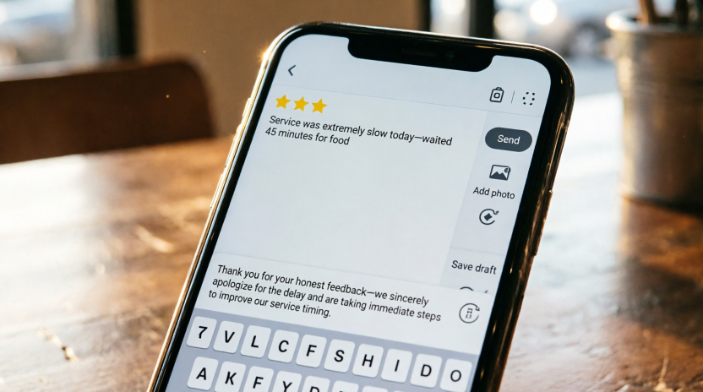
This is where many restaurants drop the ball. Every review, positive or negative, deserves a response. It shows you’re listening, you care, and you’re committed to customer satisfaction.
- Positive Reviews: Thank them specifically for their feedback and mention what they enjoyed.
- Negative Reviews: Acknowledge their experience, apologize for any shortcomings, and explain how you’re addressing it. Take the conversation offline if necessary. Do NOT get defensive.
Mistake I've Seen Cost Owners Thousands: Ignoring negative reviews or responding defensively. This signals to potential customers that you don’t value feedback and can drive them straight to your competitors.
Advanced Strategies for 2026 and Beyond
The digital landscape is always evolving. Here’s how to stay ahead:
1. Q&A Section: Be Proactive
Customers can ask questions directly on your GBP. Monitor this section and answer promptly. Even better, seed it with frequently asked questions and their answers yourself! Think about common queries: “Do you have gluten-free options?”, “Are you dog-friendly?”, “Can we book a private party?”.
2. Messaging Feature: Instant Connection
Enable the messaging feature to allow customers to send you direct messages. Be sure to have someone monitoring this during business hours to respond quickly. This can be a powerful tool for reservations or quick inquiries, mimicking live chat.
3. Integrating with Online Ordering Platforms
If you use third-party delivery or ordering platforms (DoorDash, Uber Eats, Deliveroo), ensure your GBP links directly to them or, ideally, to your own branded online ordering system. Google prioritizes profiles that offer seamless ordering experiences.
4. Local SEO Synergy
Your GBP is a cornerstone of your local SEO strategy. Ensure your website has consistent NAP (Name, Address, Phone Number) information, and that your website is mobile-friendly and loads quickly. Google looks at this consistency to verify your business information.
5. Understanding Google's Algorithm in 2026
While Google keeps its exact ranking factors close to its chest, we know proximity, relevance, and prominence (which includes reviews, GBP activity, and website authority) are key. A well-optimized GBP directly impacts relevance and prominence. As AI search becomes more sophisticated, conversational and context-aware queries will increase, making detailed and accurate GBP information even more vital.
Common GBP Mistakes Restaurants Make (and How to Avoid Them)
I’ve seen these slip-ups cost businesses dearly. Don’t let them happen to you:
- Incomplete Profile: Leaving sections blank is a missed opportunity.
- Outdated Information: Especially hours, menu, and contact details.
- Ignoring Reviews: Both positive and negative.
- Poor Quality Photos: Blurry, dark, or unappetizing images.
- No Regular Updates: Not using Google Posts or adding new photos.
- Incorrect Categories: Not selecting the most relevant ones.
Conclusion: Your GBP is Your Digital Front Door
In the competitive restaurant landscape of 2026, your Google Business Profile for restaurants is not just an online listing; it's a dynamic marketing tool that directly impacts your bottom line. By investing time in claiming, verifying, and meticulously optimizing your profile, you're not just improving your visibility – you’re building trust, driving traffic (both online and foot traffic), and ultimately, securing more reservations and orders.
From my experience consulting with hundreds of restaurants, from a small café in Berlin to a fine-dining establishment in Los Angeles, the ones that thrive online are the ones that treat their GBP with the importance it deserves. It’s your digital front door, and you want it to be welcoming, informative, and irresistible.
Ready to transform your online presence and see your reservations and orders soar? If you need help optimizing your Google Business Profile, crafting a compelling brand story, or building a website that converts visitors into diners, the Brandmeals team is here for you. Let’s make your restaurant the talk of the town, both online and off!